This past weekend music and media people all congregated to the East Coast shores of Durban for The Music Imbizo. It took place over three days, from Thursday, the 23rd of August all the way until Saturday the 25th of August at The Moses Mabhida Stadium. The three day music event or conference rather, aimed to educate young artists, composers, songwriters and content creators on the music industry.
The event featured industry executives, that spoke on the state of the music industry in South Africa. One of the keynote speakers on the first day was Nothando Migogo, CEO of SAMRO (Southern African Music Rights Organisation). She broke down the primary function of her organisation, what they do for artists. Likening the music industry to a house, she metaphorically explained the need for a structure within the industry and where SAMRO fits into the equation of that structure – which is in line with artist royalties in the South African music industry.

Over the three days, various panel discussions took place, touching on topics such as stage performance, which was headlined by Zakes Bantwini. The panel talked about the importance of live performance, understanding your stage elements. From lighting, sound and to your screen projection. Knowing your audience and understanding every single aspect that goes into delivering a full on stage performance. In attendance was also international guest Dr Keith Harris, who served as Stevie Wonders manager.
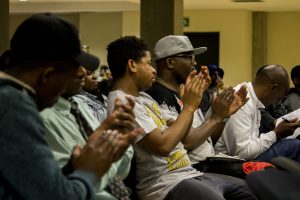
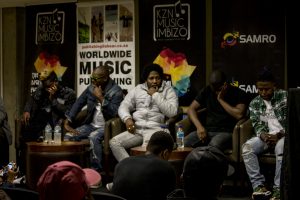
One of the interesting conversations was around what Gqom can learn from Hip Hop. The panel included the front runners of modern day Gqom in Distruction Boyz. The talk was based around what elements the Durban House sub-genre can learn from Hip Hop and other big brother genres in South Africa. The talk was centered around the progression and sustainability of the genre to avoid possible monotony which could lead to extinction.
The music event was supported by stalls and listening sessions that had radio compilers listening to music submissions and relaying advice to young artists. The stalls were aimed at young artists to help them know who to deal with regarding the monetisation of their content and music as well as the best suitable roots to take.